
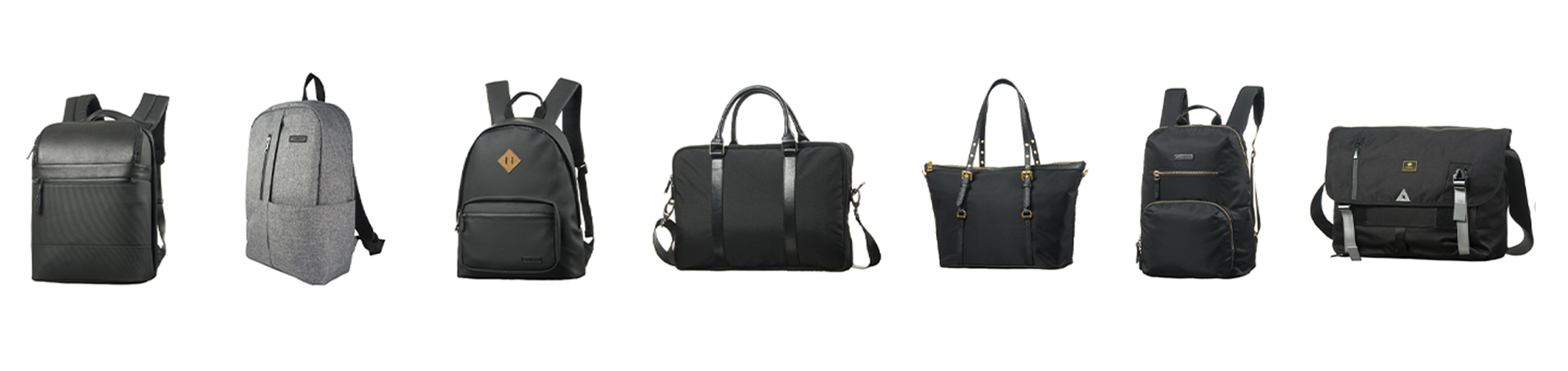
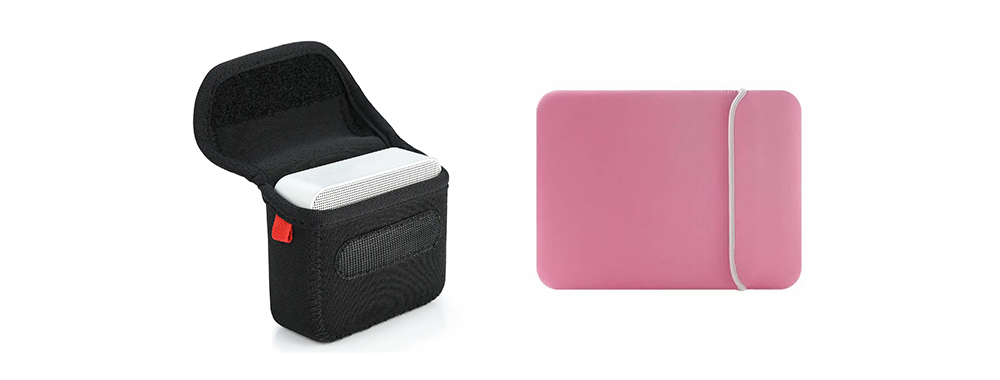
Yes, it's perfect choice for some categories of bags but not all type. Neoprene (scientific name: chloroprene rubber, CR) is a material that is highly suitable for specific types of bags. It is soft, water-resistant, highly shock-absorbent, and offers excellent formability. It is particularly suitable for beach bags, diving equipment bags, camera insert bags, gym bags, lunch bags, and various types of trendy soft bags.
If your product requires any two of the following features — “softness + water resistance + protection + foldability” — neoprene is almost an ideal choice. However, if you are designing a structured business briefcase, a high-end handbag that aims for a leather-like texture, or a mass-produced product where cost sensitivity is extremely high, neoprene may not be the optimal solution.
Whether it is “good” depends on your product positioning, target usage scenarios, and cost structure. In the following sections, we will start from the fundamental properties of the material and go through the production considerations step by step to help you determine whether it is suitable for your product.
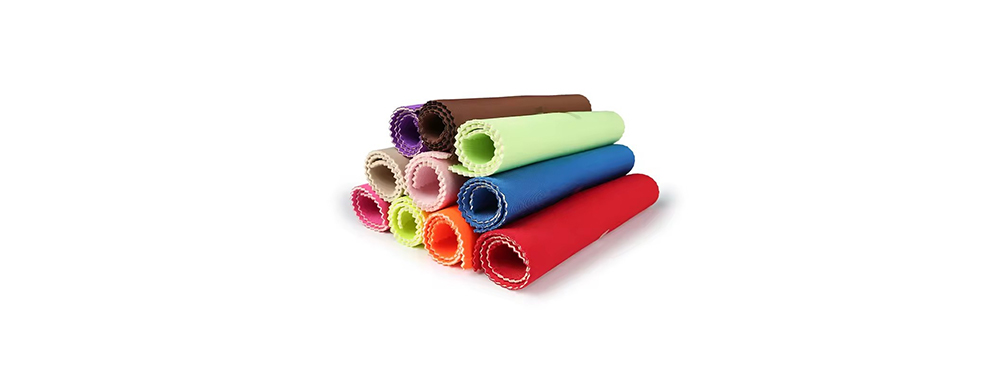
Table of Contents:
Neoprene (Chloroprene Rubber, abbreviated as CR) was invented by the American company DuPont in the 1930s. It was originally developed for wetsuits, which is why many people’s first impression of it comes from the term “diving material.” Its scientific name is polychloroprene rubber, a type of synthetic rubber produced through the polymerization of chloroprene monomers.
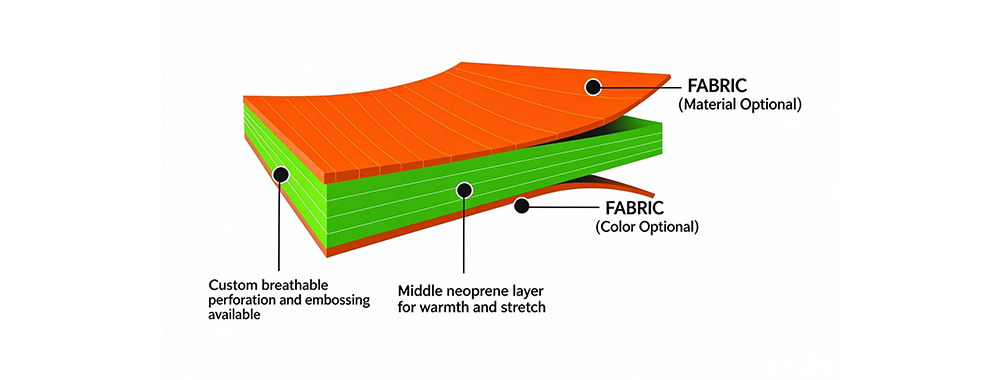
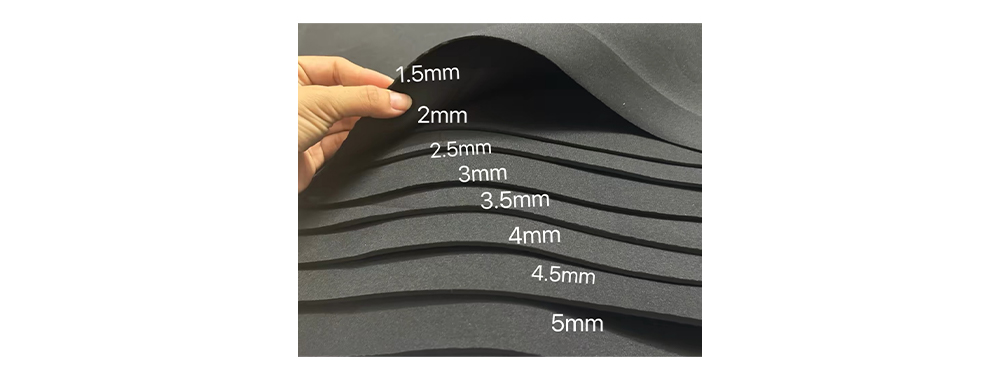
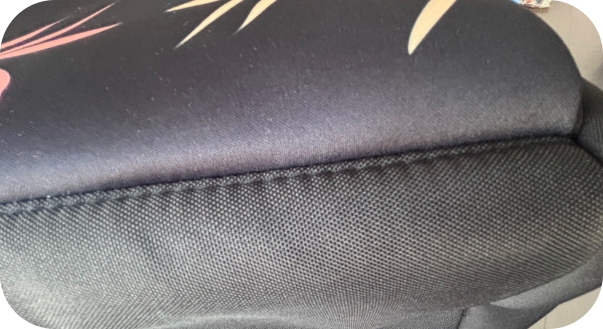
In the bag manufacturing industry, the material we actually use is usually not pure rubber sheets, but neoprene foam composite material — a layered material made by bonding a neoprene foam layer with nylon fabric or polyester fabric. A common structure consists of: an outer layer made of nylon/polyester fabric, a middle layer of neoprene foam sponge, and an optional inner layer of lining fabric. The foaming ratio (such as thicknesses of 2mm, 3mm, and 5mm, with softness and firmness differentiated by Shore hardness and density) determines the final product’s structure, stiffness, and cushioning performance.
Once you understand its “sandwich structure,” you can understand all the advantages and disadvantages of neoprene as a bag material. This is the logical starting point for all the evaluations and decisions that follow.
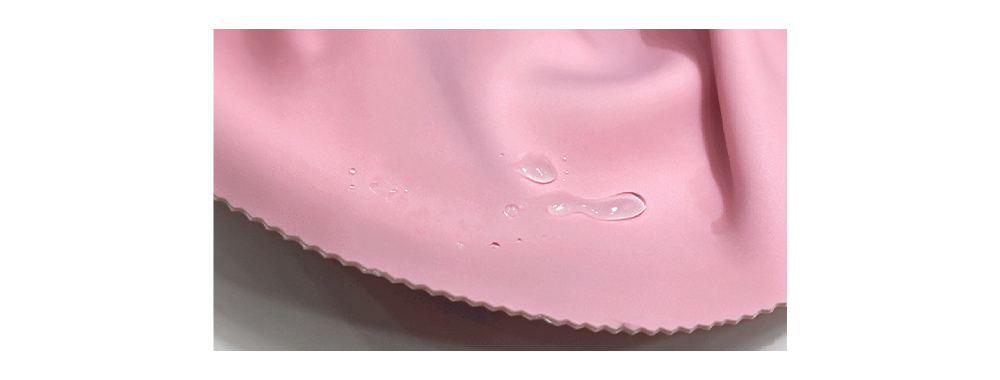
Neoprene itself has a closed-cell foam structure, with an extremely low water absorption rate that allows very little water vapor to penetrate. This characteristic makes it naturally suitable for the following applications:
The foam layer acts like a built-in shock absorber. This is the core advantage that distinguishes neoprene from almost all traditional bag fabrics:
To achieve the same level of protection, traditional fabrics require additional padding and cushioning, which comes at the expense of softness and lightweight performance.
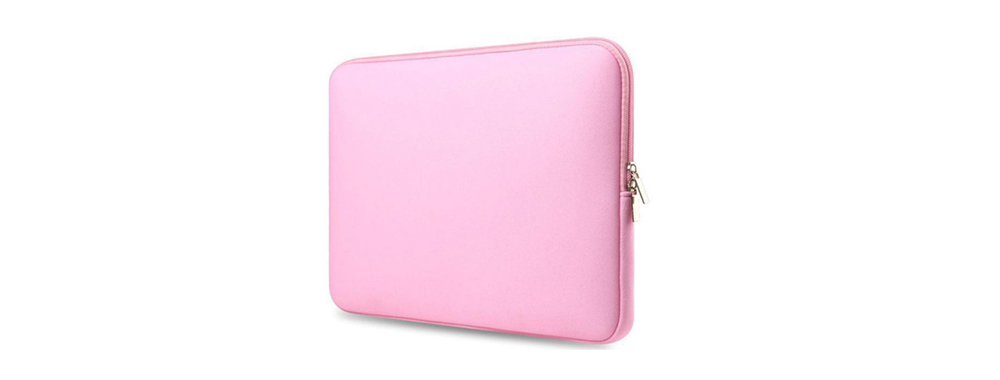
Neoprene bags can be folded and stored away when not in use, making them easy to tuck into a drawer or another bag. Once filled, they can also conform to the contours of the body. This makes them particularly suitable for:
In comparison, canvas and leather bags often face a trade-off: “if they are soft, they lack structure; if they are rigid, they become bulky and heavy.” Neoprene achieves a better balance between “softness” and “shape retention.”
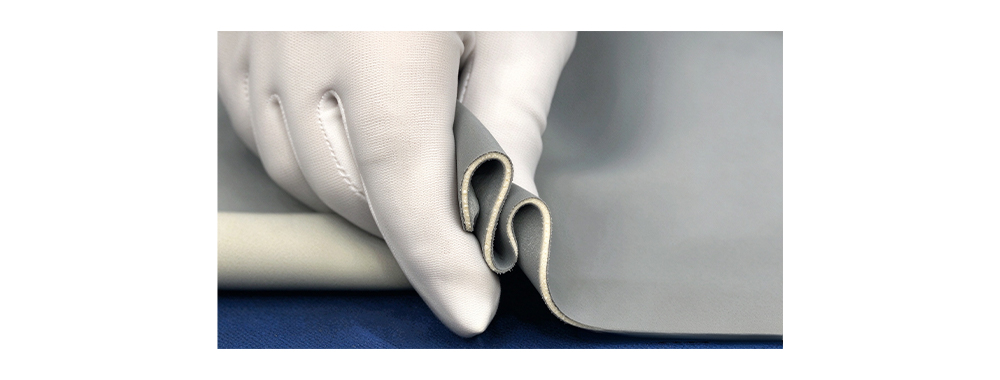
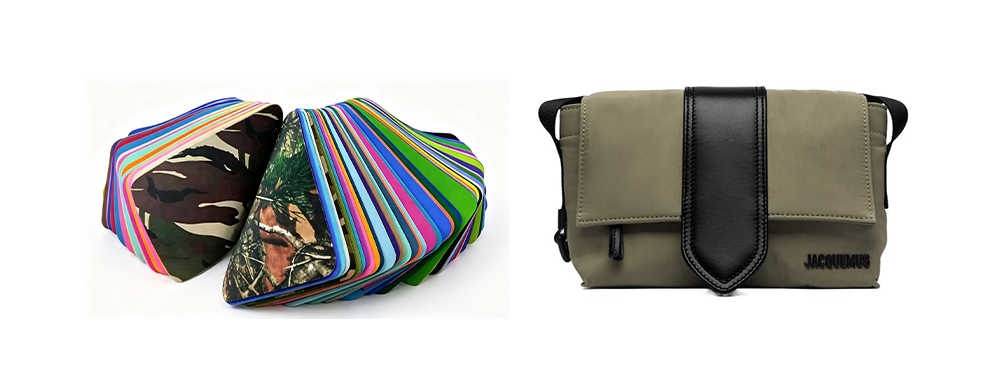
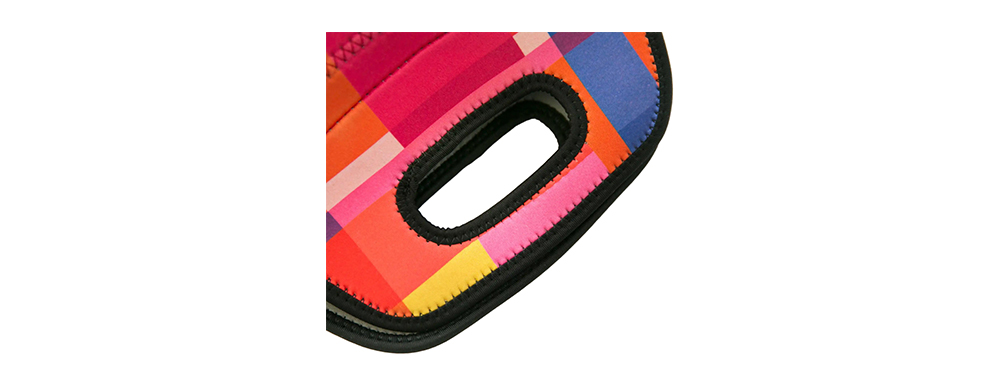
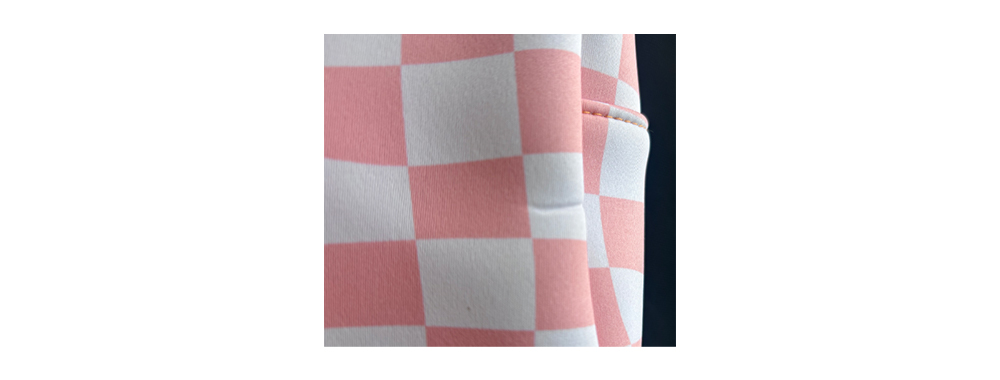
The nylon/polyester fabric bonded to the surface of neoprene is an excellent printing medium. Digital printing, screen printing, and heat transfer printing all deliver very good results, with vibrant colors and sharp details. Moreover, the printed patterns are less likely to crack when the material is stretched.
In addition, the bag body can be designed with wavy edges, contrasting-color zippers, color-blocked panels, and other distinctive features. In recent years, neoprene has become a popular choice for trendy fashion brands, IP collaboration collections, and customized corporate gift bags.
The rising popularity of designer brands such as Jacquemus has also helped bring soft, sculptural-style neoprene fashion bags into the spotlight.
The neoprene foam layer provides a barrier against liquid penetration. When laminated with a lightly water-resistant, easy-to-wipe outer fabric, such as high-density waterproof nylon or polyester fabric, everyday stains (such as coffee spills, mud splashes, and sweat marks) are unlikely to penetrate the interior.
In most cases, the surface can be restored to a clean condition simply by gently wiping it with a damp cloth and a small amount of mild, neutral detergent. There is no need for frequent washing as with canvas, and the hassle of regular maintenance associated with leather can also be avoided.
Neoprene is a material designed for specific applications rather than a universal bag fabric. When it solves a practical problem, it can perform very well. However, if you choose it simply because a sample feels soft and premium to the touch, we would typically review the complete product specifications carefully before proceeding to the sampling stage.
A rational evaluation of a material cannot focus solely on its advantages. The disadvantages of neoprene are also determined by its structure:
A small piece of neoprene may not feel particularly heavy. However, once the large surface area of the sandwich structure is combined with zippers, webbing, and hardware, the overall weight can increase significantly.
Taking commonly used 3mm-thick neoprene laminated fabric as an example, its weight per square meter is considerably higher than that of ordinary 210D nylon or 600D Oxford fabric. This becomes particularly important when the product is intended to be lightweight or designed for extended periods of carrying.
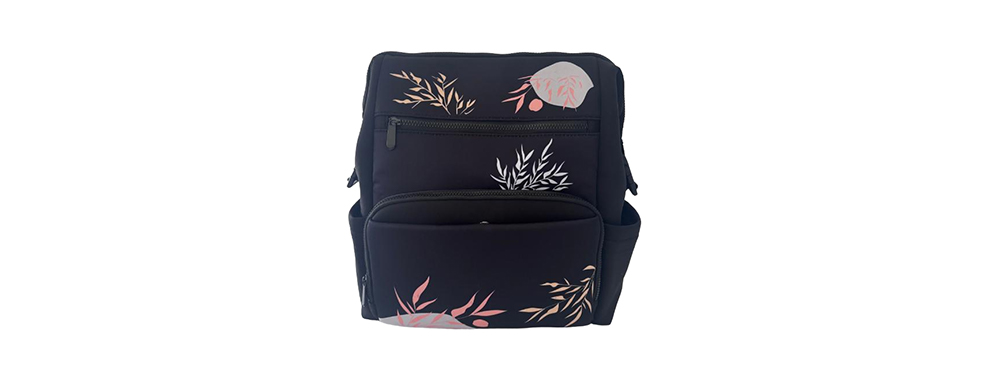
Because the core layer of neoprene consists of a closed-cell foam structure, its dense physical properties not only prevent moisture from penetrating but also effectively block air circulation. This means that neoprene bags have virtually no breathability.
When air circulation is the primary consideration, we generally do not choose neoprene as the material.
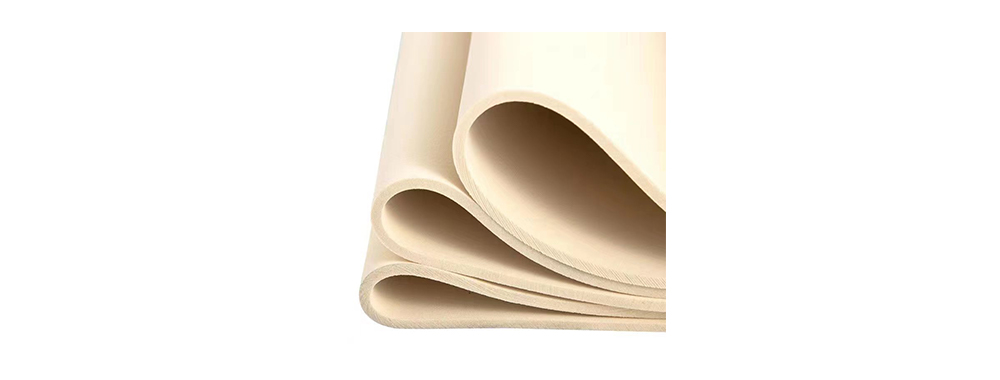
Due to the unique elasticity of foam materials, neoprene can be prone to fabric feeding issues, skipped stitches, and wrinkling during sewing. It requires careful control of stitch length, needle type, and fabric feeding methods. Thick materials are also prone to seam splitting at corners, so experienced sewing operators are essential.
If a small factory has no prior experience sewing foam materials, the initial defect rate may be relatively high.
In addition, ultrasonic seamless welding cannot completely replace stitching to achieve waterproofing with neoprene. High-frequency welding is an option, but it requires substantial investment in equipment. Most products still need to be paired with water-resistant zippers to achieve a level of water resistance beyond basic splash protection.
During long-term folded storage or transportation, the neoprene foam layer is prone to developing compression marks along fold lines, affecting the smoothness and overall appearance of the product. After receiving a folded or compressed product, users typically need to leave it undisturbed and allow the material to recover naturally before it gradually returns to its original shape.
For products designed for “ready-to-use” convenience or positioned as premium gifts, additional support structures should be incorporated into the packaging design to prevent excessive compression.
The price of conventional 3mm neoprene laminated polyester fabric is approximately 3–5 times that of ordinary 600D Oxford fabric. In addition, cutting waste is higher (the elasticity of foam materials makes fabric layout less compact than with plain-woven fabrics), and sewing efficiency is lower. As a result, the overall cost is significantly higher than that of polyester- or nylon-based products.
This makes neoprene unsuitable for low-priced, high-volume products, but more appropriate for functional or design-oriented products with medium-to-high profit margins.
By weighing the advantages and disadvantages discussed in the previous two sections, we can establish a clear decision-making framework.
Recommended product categories:
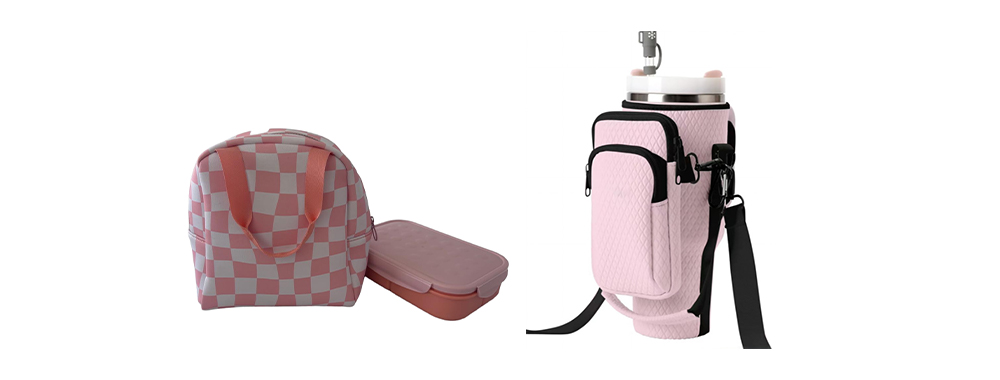
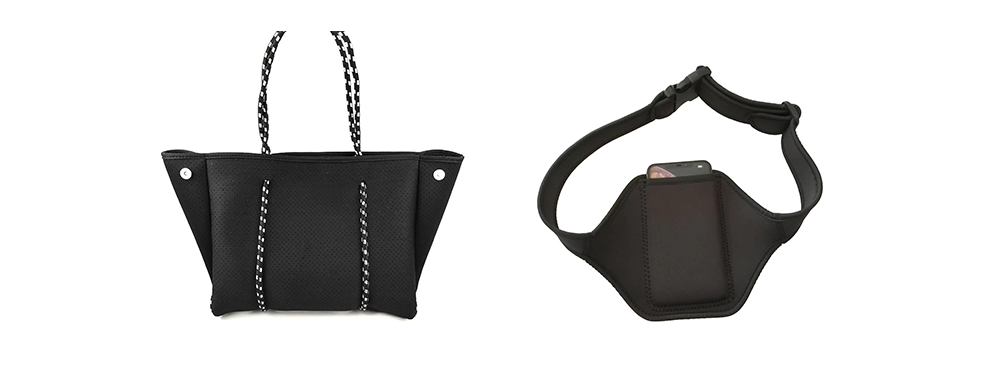
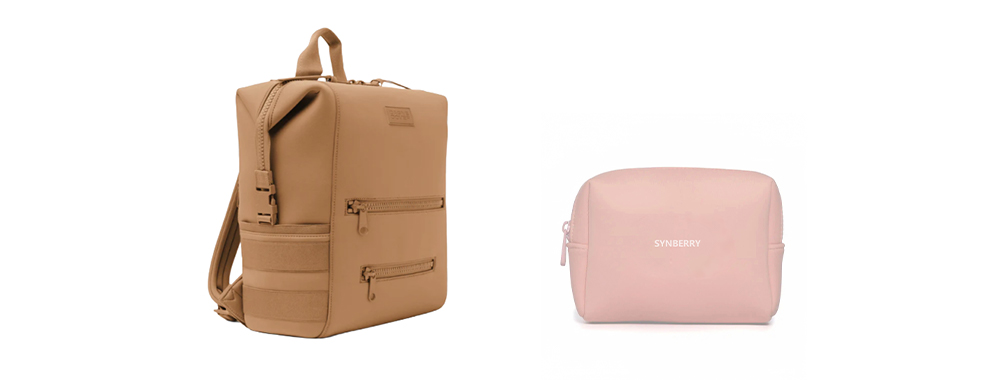
Not Recommended Product Categories:
For brands and backpack factories, selecting the material is only the first step. There are five key factors to control during implementation:
The standard thickness of neoprene used for bags is typically 2mm–5mm. A thickness of 2–3mm is sufficient for inner sleeves. For tote bags that need to stand upright, 4–5mm is recommended, or a lining can be added through lamination.
During sampling, be sure to test the material's recovery after folding and the degree of sagging under load. This ensures that the thickness matches your expectations for the bag's structure and shape retention.
The lamination quality of the three-layer material structure (outer fabric + foam layer + lining fabric) determines the product's service life. Poor-quality lamination may begin to delaminate or form bubbles after just a few months of use, whereas high-quality laminated layers should be firmly bonded together and difficult to separate by hand.
Therefore, choosing a professional bag factory with experience manufacturing similar products is essential.
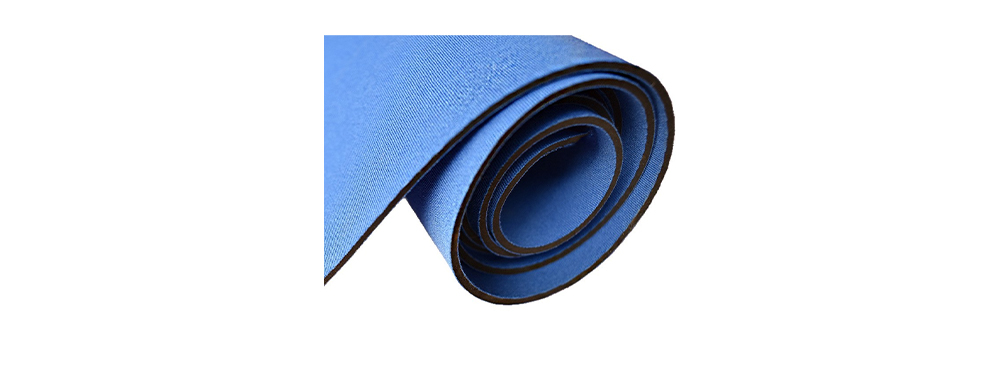
During the foaming and lamination processes, neoprene may inevitably retain a certain amount of chemical odor, commonly referred to as a “rubber smell” or “glue smell.” Although materials that meet environmental standards will gradually lose their odor after ventilation, unpleasant smells when opening the package can easily lead to negative reviews, especially among odor-sensitive users, such as parents purchasing products for babies and recipients of high-end gifts.
Therefore, during the Neoprene Bag OEM process, we pay particular attention to the following factors:
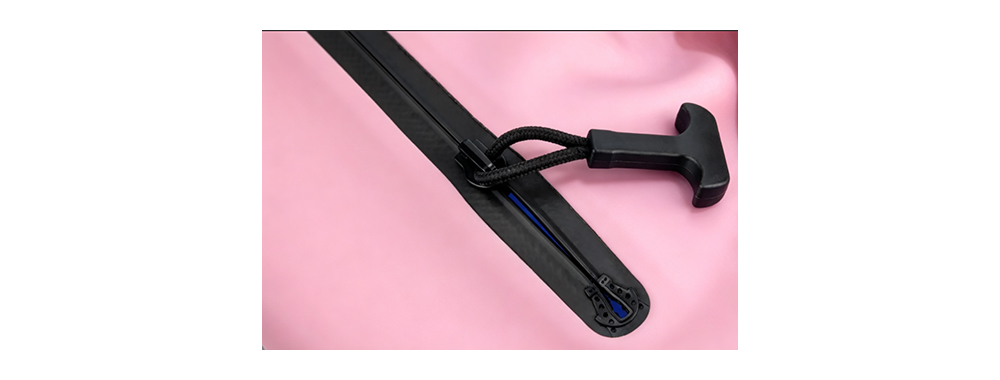
Ordinary nylon zippers are one of the main points where water can seep into splash-resistant products. For products with higher water-resistance requirements, waterproof or watertight zippers (such as YKK's waterproof zipper series) must be used, or a waterproof zipper flap should be added to the inside of the zipper.
It is important to note that waterproof zippers generally feel stiffer than ordinary zippers, offer greater resistance when opening and closing, and cost more.
If the product is not intended for professional diving or extreme outdoor environments, there is no need to blindly pursue the highest level of waterproof zipper performance. Doing so may compromise the user experience while unnecessarily increasing costs.
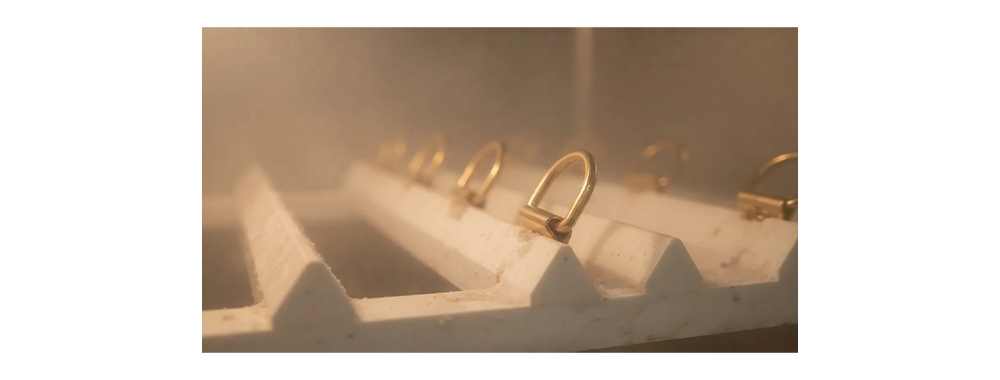
Considering that neoprene bags are often used in humid environments, the metal hardware must have excellent rust resistance. In practice, salt spray testing can be used to evaluate the corrosion resistance of the hardware. Priority should be given to zinc alloy hardware with a thick electroplated coating or stainless steel hardware.
This helps prevent rapid oxidation and rusting caused by exposure to coastal environments or perspiration, which could otherwise compromise the overall appearance and perceived quality of the product.
CR (chloroprene rubber / neoprene) and SBR (styrene-butadiene rubber) are both synthetic rubbers, and both can be made into a “sandwich” structure consisting of outer fabric + foam layer + lining fabric. Their appearance, feel, and thickness can even be made virtually identical. However, based on practical experience in neoprene bag OEM manufacturing, there are two notable differences between the two materials:
The following table compares the inherent performance characteristics and costs of the two materials:
The following table compares their inherent performance characteristics and costs:
Comparison Factor CR (Genuine Neoprene) SBR (Styrene-Butadiene Rubber)
Abrasion Resistance Good, but not as good as SBR Excellent; commonly used in bags requiring higher abrasion resistance
Temperature Resistance Approximately -40°C to +120°C Approximately -20°C to +80°C
Durability Excellent; less prone to powdering during long-term use Average; prone to cracking and powdering outdoors
Elasticity and Feel Flexible with good resilience Relatively weaker resilience than CR
Cost High; CR costs approximately twice as much as SBR Lower; the predominant material used in many “diving fabric” products on the market
Odor Relatively mild Usually more noticeable
Summary: SBR is a “budget-friendly substitute for neoprene.” If your product's selling points are softness, cushioning, water resistance, and stain resistance (such as beach bags, camera bags, and lunch bags), SBR is generally a cost-effective choice. However, if you intend to promote “genuine neoprene quality,” position the product at a premium price point, or meet higher customer requirements for temperature resistance, crease recovery, and weather resistance, CR may be the better option. The cost difference should also be factored into your pricing strategy.
Machine washing is not recommended. Although neoprene itself can withstand washing, the bonding layers (adhesive) and stitching in the “sandwich structure” cannot withstand the vigorous agitation and high centrifugal forces of a washing machine's spin cycle. Machine washing can easily cause fabric delamination, bubbling, and even irreversible deformation or damage to the hardware.
The correct cleaning method is to use lukewarm water and a neutral detergent, gently wiping the stained areas with a soft cloth or sponge. Then wipe away any remaining detergent with clean water and allow the bag to air-dry naturally in a cool, well-ventilated area.
Avoid direct sunlight and high-temperature tumble drying, as heat can accelerate rubber aging, causing it to harden or even crack. For persistent odors or deep cleaning, consider seeking assistance from a professional dry cleaner. However, inform them of the material's properties in advance to ensure that strong solvents are avoided.
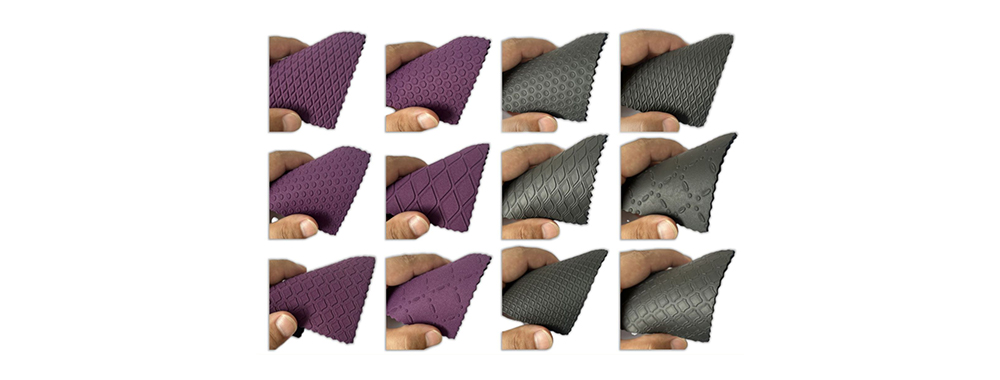
Yes, but the possibilities are limited by the material's properties. Neoprene has a certain degree of flexibility and can be formed into simple textured patterns through mold-based heat pressing. However, unlike EVA or injection-molded plastics, it cannot easily achieve complex geometric structures or sharp right angles.
If a highly structured, rigid appearance is required, internal reinforcement (such as PP boards or EVA sheets) or a thicker foam layer (over 5mm) is usually needed.
For designs that aim to achieve a “soft sculptural effect,” we recommend discussing the construction with the factory during the design stage and using multi-panel construction and structural segmentation to create the desired shape, rather than relying on the natural structural support of a single material.
Neoprene bags may be heavier than buyers expect, especially when large areas of neoprene fabric are combined with lining, webbing, zippers, and metal hardware. They can be considerably heavier than ordinary polyester and nylon bags.
This question needs to be addressed from several perspectives. In terms of the materials themselves, both chloroprene rubber (CR) and styrene-butadiene rubber (SBR) are synthetic rubbers that are difficult to biodegrade naturally and are not considered biodegradable materials. However, their environmental performance during actual production and use depends on the specific manufacturing processes and standards employed.
The first consideration is the adhesive and lamination process. Traditional solvent-based adhesives may contain volatile organic compounds (VOCs), which not only produce strong odors but are also environmentally unfriendly. Today, many mid- to high-end supply chains have shifted to water-based adhesives or hot-melt adhesive lamination processes, significantly reducing harmful residual substances and helping products meet major environmental regulations such as the EU's REACH and RoHS requirements.
Not necessarily. If you prioritize extremely low weight, low cost, and high breathability, choose nylon or polyester. If you need water resistance, cushioning, a soft feel, or a distinctive fashion aesthetic, and can accept higher costs and product weight, neoprene may be the better choice.
Many high-end brands even adopt a “hybrid strategy,” using neoprene for the main body and incorporating polyester or nylon panels in key areas to combine the advantages of both materials.
There is no absolute distinction between good and bad materials; what matters is whether the material is the right fit for the application. For bag manufacturers and brands, the best practice is to work backward from the “application scenario–function–material” framework during the product development stage. Use neoprene where it performs best, and address its limitations through manufacturing processes and quality inspections. When applied correctly, neoprene can become a valuable asset in your product line, offering significant potential for both product differentiation and profit margins.
SYNBERRY BAG has over 30 years of experience in bag OEM/ODM manufacturing and specializes in advanced material processing and precision manufacturing across a wide range of materials. We understand the specific requirements of neoprene in lamination, sewing, and quality control, and provide professional support throughout the entire process, from material selection to finished product delivery.
Whether you are developing functional protective sleeves that prioritize maximum cushioning or designer handbags that showcase contemporary fashion aesthetics, SYNBERRY BAG can help brands translate creative concepts into finished products with precision, balancing performance, cost, and aesthetics to create high-quality products that stand the test of the market.
| Author | ||||||
|
Continue lendo, mantenha-se informado, inscreva-se e convidamos você a nos dizer o que você pensa.




Direitos autorais
@2024 Synberry Bag & Package Products Co.,Ltd Todos os direitos reservados
.
 SUPORTADO POR REDE