
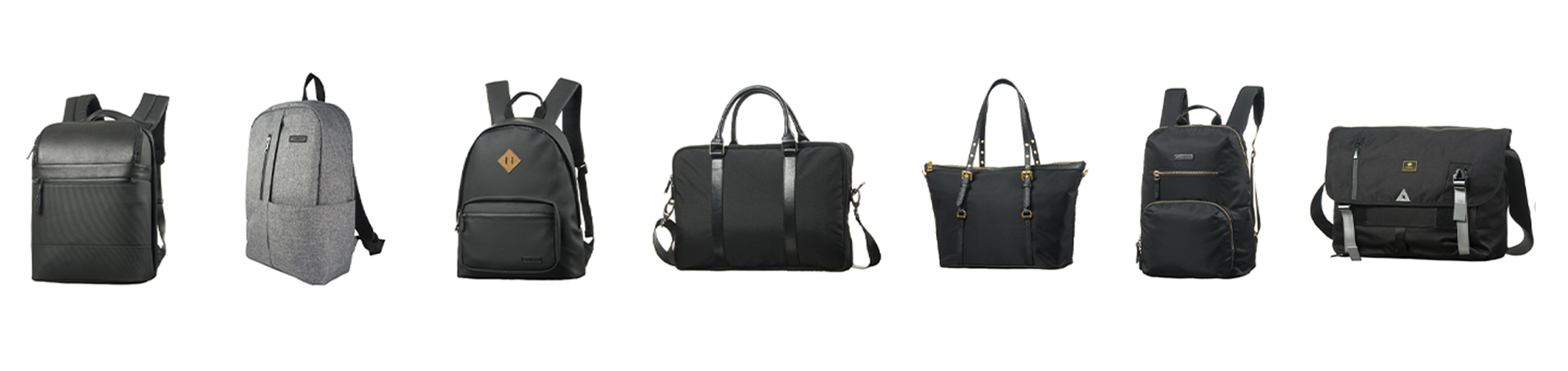
Launching a purse or handbag line—whether for a fashion startup, a private-label brand, or a corporate gift purchase—starts with one critical decision: choosing the right manufacturer. The partner you select determines your product quality, cost structure, delivery reliability, and ultimately, your brand reputation. Yet for many buyers, the search process feels overwhelming. Where do you begin? How do you evaluate factories across borders? And how do you avoid costly mistakes?
Here is a practical, step-by-step framework to help you find a purse or handbag manufacturer that aligns with your business goals.
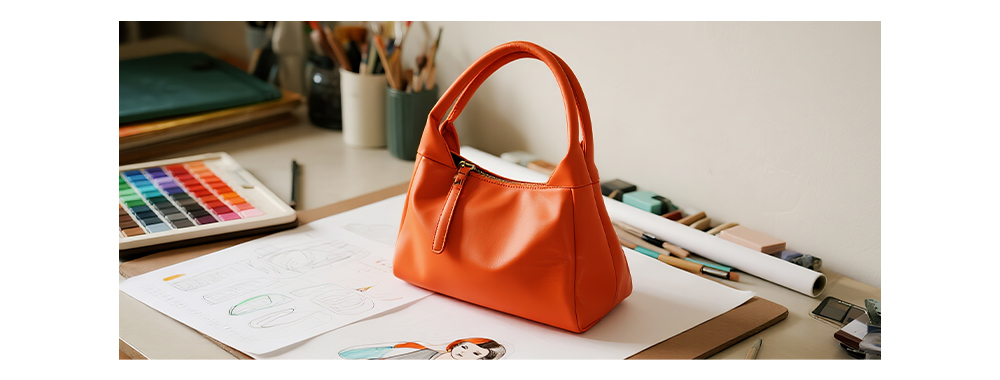
Manufacturers cannot quote accurately if your brief is vague. Before sending inquiries, lock down the essentials:
The clearer your tech pack or reference sample, the faster a legitimate purse or handbag manufacturer can assess feasibility and provide a realistic quote.
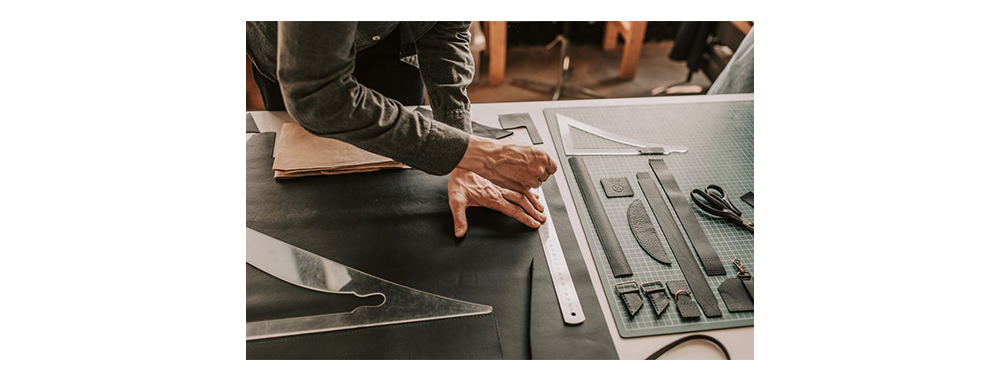
There are three primary routes to finding a purse or handbag factory:
1. B2B Platforms (Alibaba, Global Sources, Made-in-China) Best for buyers who want to compare multiple purse and handbag suppliers quickly. Use filters for "OEM Purses or Handbags," "Purse or Handbag Custom Manufacturer". Look for suppliers with at least 5+ years of experience and verified factory audits.
2. Industry Trade Shows (Canton Fair, ILM, Magic Vegas) Ideal for touching materials, judging craftsmanship in person, and building direct relationships. If you plan to visit China, the Guangzhou and Shenzhen regions host dense clusters of handbag and purse manufacturers.
3. Direct Factory Outreach via Google Search Search for specific long-tail terms like "custom purse manufacturer China," "OEM handbag factory low MOQ," "private label handbag supplier," or "BSCI certified purse and handbag factory." Specialized factories ranking on Google for these terms often invest in export marketing and English-language customer service—both good indicators of professionalism.

Once you have a shortlist, verify more than just their product photos. Request:
Be cautious with trading companies posing as factories. Ask directly: "Do you own the production line for handbags and purses, or do you subcontract?" True manufacturers will answer transparently.

In custom manufacturing, communication is a production asset. Your factory contact should respond within 24 hours, understand your corrections, and proactively flag risks (e.g., hardware lead times for heavy handbags, colorfastness issues on small purse panels).
Always order a pre-production sample (PP sample) before committing to bulk. This sample should match your approved materials, dimensions, logo application technic, and packaging—whether it is a compact purse or a structured handbag. Reputable purse and handbag manufacturers treat sampling as a collaborative refinement phase, not a rushed formality.
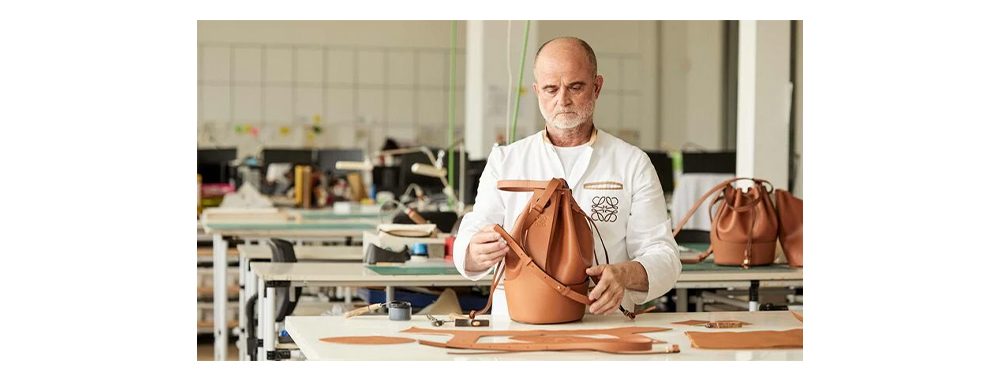
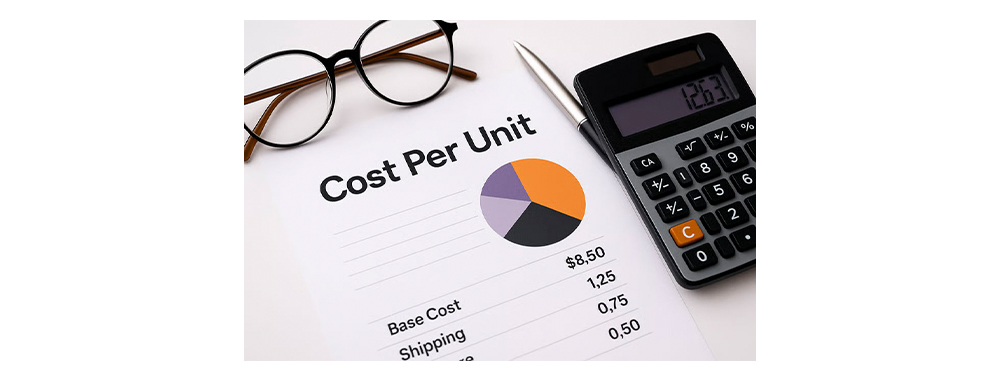
A low FOB price can hide expensive surprises. Break down the quote into:
Ask for the total landed cost to your warehouse. A slightly higher unit price from a factory with better quality control often saves money by reducing defect rates and chargebacks—especially critical for high-value leather handbags.
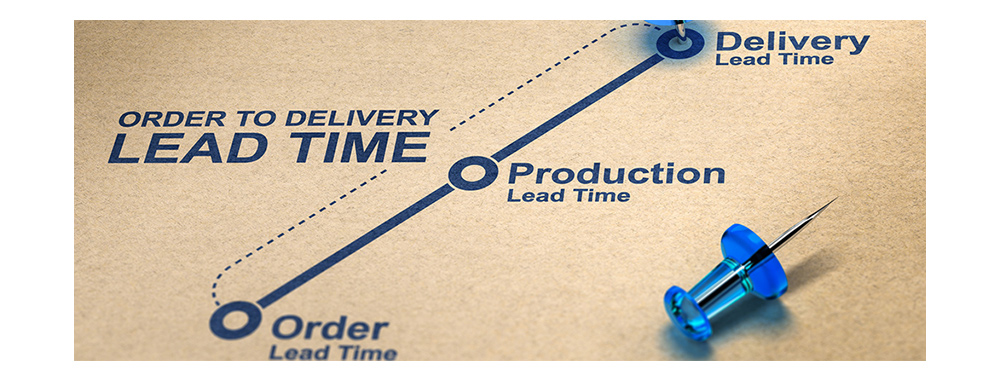
Standard purse and handbag production lead times range from 30 to 60 days depending on complexity, size, and order size. A structured handbag with reinforced bases and multiple pockets typically takes longer than a simple zip-top purse. Clarify:
Professional buyers also lock in material availability. If you are using a trending color or imported hardware or accessory for your handbag collection, confirm the factory has secured stock or buffer inventory.
Even after thorough vetting, treat your first bulk order as a pilot. It validates the factory’s consistency across hundreds of units—whether purses or handbags—not just one perfect sample. Monitor:
Use this data to decide whether to scale the partnership across your full purse and handbag range or continue sourcing.
Finding the right purse or handbag manufacturer is not about locating the cheapest quote—it is about building a supply chain partner who understands your brand standards, communicates clearly, and scales with your growth. By defining your specs early, vetting factories rigorously, and starting with a measured pilot order, you transform a risky overseas transaction into a repeatable production system for both your purse and handbag collections.
If you are currently evaluating suppliers for a custom purse or handbag line, focus on the long-term partnership metrics: quality consistency, transparent pricing, and reliable lead times. Those three factors will define your brand’s reputation far more than a few cents saved per unit.
Looking for an OEM/ODM partner for your next purse or handbag collection? Talk to Synberry Bag, A specialized bag factory can guide you from concept sketch to finished product—with the sampling discipline and compliance documentation your retail buyers expect.
| Author | ||||||
|
Continue lendo, mantenha-se informado, inscreva-se e convidamos você a nos dizer o que você pensa.




Direitos autorais
@2024 Synberry Bag & Package Products Co.,Ltd Todos os direitos reservados
.
 SUPORTADO POR REDE