
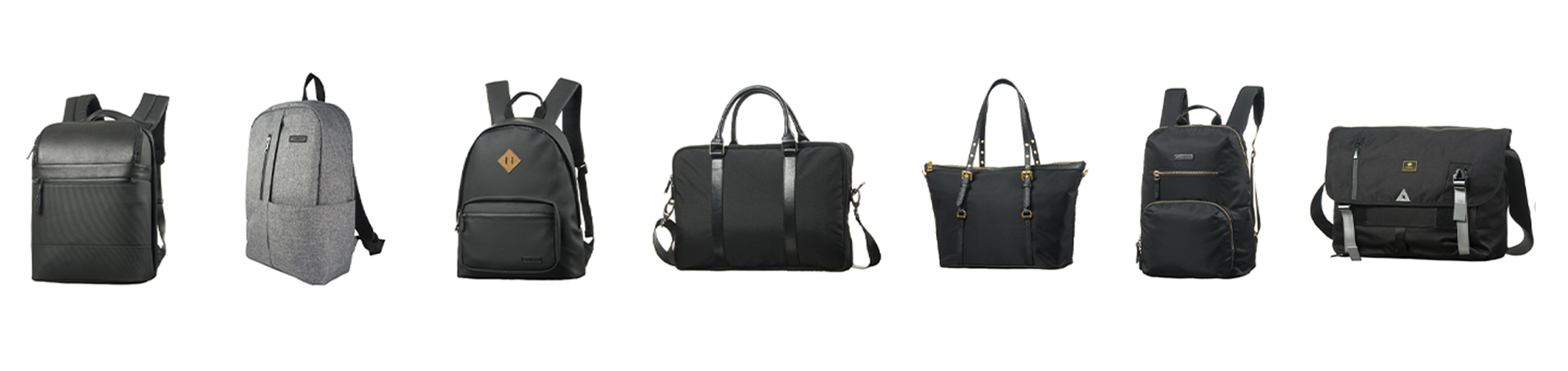
Whether you are developing a tactical backpack series, or high-end travel gear, choosing the right fabric is a critical factor in determining product success. As an experienced Cordura® backpack manufacturer, this article provides an in-depth analysis of Cordura® fabric from the manufacturing perspective, covering its performance characteristics, specifications, use cases, and sustainable solutions. It will help you understand the core advantages of this high-performance fabric, favored by countless top brands, so you can make precise material choices in new product development and create high-quality bags that gain greater market recognition.
Contents:
CORDURA® is a globally recognized high-performance fabric brand under INVISTA, known for its exceptional abrasion resistance and tear strength. Originally developed by DuPont (the company that invented ballistic nylon), it has been the gold standard in outdoor, military, and industrial gear since its launch in 1967.
The core of Cordura® fabric lies in its use of high-tenacity nylon 6,6 filament yarns, treated with air jet texturing technology, giving the fabric a unique rough texture and excellent abrasion resistance. Compared with standard nylon or polyester, Cordura® stands out in the following aspects:
Cordura® vs Standard Nylon vs Polyester Performance Comparison Table
|
Comparison Dimension |
Cordura® (Nylon 6,6) |
Standard Nylon (Nylon 6) |
Polyester (PET) |
|
Raw Material |
High-tenacity nylon 6,6 filament yarn |
Standard nylon 6 chips |
Polyester (PET) |
|
Fiber Strength |
⭐⭐⭐⭐⭐ Very High |
⭐⭐⭐⭐ High |
⭐⭐⭐ Medium |
|
Abrasion Resistance (Martindale) |
300,000+ cycles |
50,000–100,000 cycles |
30,000–80,000 cycles |
|
Tear Strength |
⭐⭐⭐⭐⭐ Excellent |
⭐⭐⭐⭐ Good |
⭐⭐⭐ Average |
|
Weight (same strength) |
Lightest |
Light |
Heavier |
|
Melting Point |
~265°C |
~220°C |
~260°C |
|
Moisture Absorption |
Medium (~4.5%) |
Higher (~4.5%) |
Low (~0.4%) |
|
Brand Premium Potential |
⭐⭐⭐⭐⭐ High (can attach Cordura® tag) |
⭐⭐ Low |
⭐⭐ Low |
Manufacturing Tip: Cordura® is a registered trademark. Only fabrics certified by INVISTA can legally use the Cordura® name and hang the Cordura® tag, which directly signals your product’s market credibility and pricing potential.
Cordura® fabric is not a single product but a matrix encompassing multiple materials, specifications, and functional combinations. Below is a comparison of the most commonly procured core specifications from a manufacturing perspective:
Core Specification Comparison Table
|
Specification |
Denier |
Material |
Weight Range |
Core Features |
Typical Applications |
|
Cordura® Classic 330D |
330D |
Nylon 6,6 |
180–220 g/㎡ |
Ultra-light, flexible, basic abrasion resistance |
Lightweight daily bags, storage bags, footwear |
|
Cordura® Classic 500D |
500D |
Nylon 6,6 |
260–300 g/㎡ |
Best balance of strength and weight, soft |
Everyday backpacks, laptop bags, commuter bags |
|
Cordura® Classic 1000D |
1000D |
Nylon 6,6 |
320–380 g/㎡ |
Extremely high abrasion resistance, tear-resistant, stable structure |
Tactical gear, heavy-duty outdoor bags, motorcycle apparel |
|
Cordura® Ballistic 1050D |
1050D |
Nylon 6,6 |
400+ g/㎡ |
Ballistic weave, extreme puncture & tear resistance |
High-end tactical gear, ballistic vest outer layers, heavy-duty luggage |
|
Cordura® NYCO |
Blended |
Nylon 6,6 + Cotton |
Varies by specification |
Cotton-like hand feel, breathable, enhanced abrasion resistance |
Military uniforms, work jackets, comfortable backpacks |
This is a common question from brands. The core difference lies in the tradeoff between durability, weight, and cost.
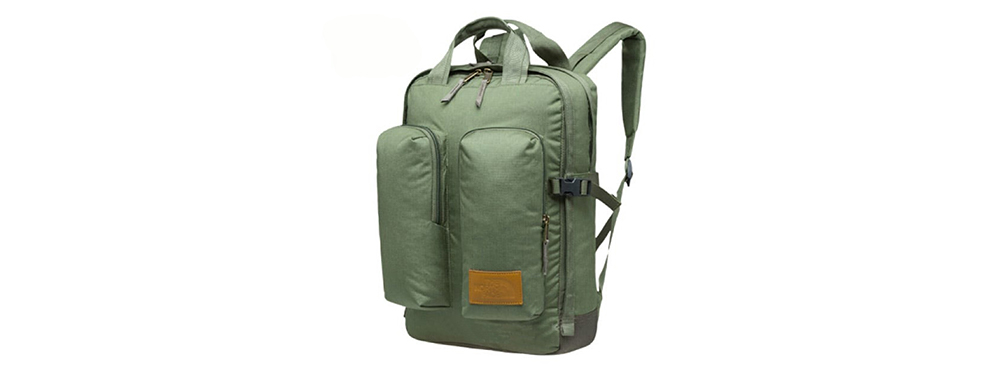
The North Face lightweight outdoor backpack features 500D Cordura fabric display
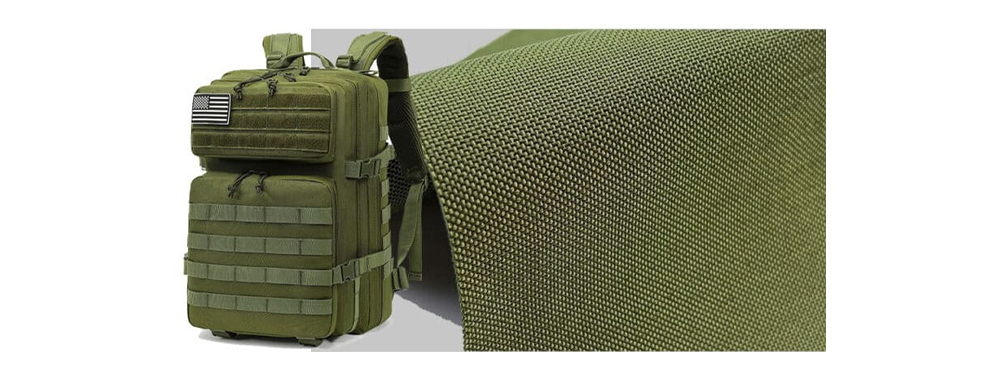
Cordura on tactical backpack ® High resolution close-up of 1000D fabric texture
Manufacturing Recommendation for Cordura fabric: Many professional brands adopt a mixed-use strategy—using 1000D at high-wear areas like the bag base and shoulder straps, and 500D on the main body to balance overall weight and critical durability.
With stricter global environmental regulations and rising consumer sustainability awareness, Cordura® has launched a complete recycled fabric solution to help brands achieve environmental commitments without sacrificing performance.
CORDURA® re/cor™ Series: GRS-certified backpack fabrics combining performance and responsibility
CORDURA® re/cor™ is INVISTA’s line of GRS (Global Recycled Standard) certified recycled fabrics, using regenerated nylon while maintaining performance comparable to virgin high-strength nylon. The main product lines include:
|
Product Line |
Raw Material Source |
Environmental Benefits (vs virgin Nylon 6,6) |
Certification |
Suitable Products |
|
re/cor™ RN66 |
100% pre-consumer recycled Nylon 6,6 fiber |
Reduces 83% GHG emissions, 82% energy, saves 57% water |
GRS, bluesign® |
High-end backpacks, jackets, footwear |
|
re/cor™ RN6 |
100% recycled Nylon 6 yarn |
Converts manufacturing waste into high-performance fabric |
GRS |
Technical backpacks, daily bags, luggage |
|
re/cor™ RPET |
Recycled polyester fiber |
Reduces plastic waste, maintains durability |
GRS |
Eco-bags, travel accessories |
Brand Example: Black Ember’s Sustainable Practice
San Francisco luxury bag brand Black Ember was among the first to adopt CORDURA® re/cor™ RN66. Founder Chris Gadway stated:
"Our customers demand verified sustainability. CORDURA® re/cor™ RN66 perfectly combines recycled nylon fiber with textiles that maintain product quality throughout its lifecycle."
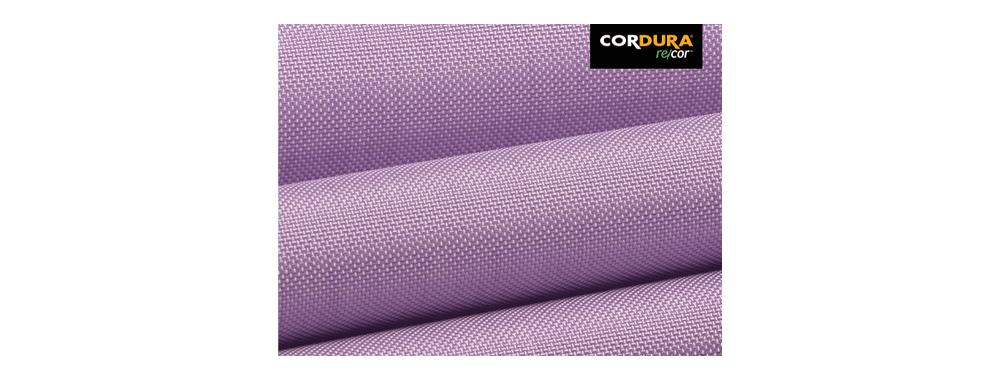
CORDURA ® recor ™ RN66 fabric
Manufacturing Value: Using the re/cor™ series not only meets EU eco-design regulations but also allows brands to increase product premium by 15–25% through official Cordura® tags and GRS labels.
To learn about lower cost rPET recycled polyester fibers, please read our rPET Fabric Guide
From manufacturing and brand operation perspectives, Cordura®’s core competitive advantages include:
Cordura® has nearly 60 years of credibility in military, outdoor, and industrial fields. End consumers perceive its label as a visual guarantee of durability, reducing market education costs. Products with Cordura® tags typically command higher pricing and conversion rates.
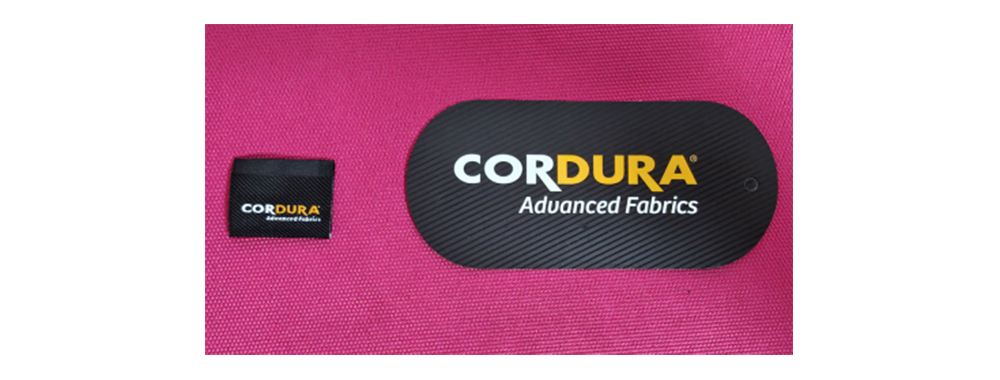
Cordura ® Label&Tag Display
INVISTA regulates fabric quality through Authorized Mills. All Cordura® fabrics must pass NILIT-certified laboratory tests:
Certified fabrics receive a 5-year approval certificate and a unique reference number, required for free tag application.
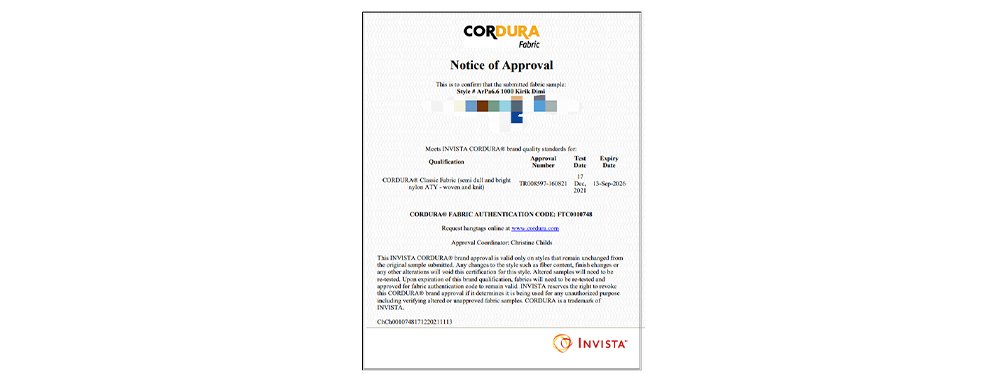
CORDURA officially issued by INVISTA ® Display of Fabric Approval Certificate
Cordura® fabrics support multiple finishing processes:
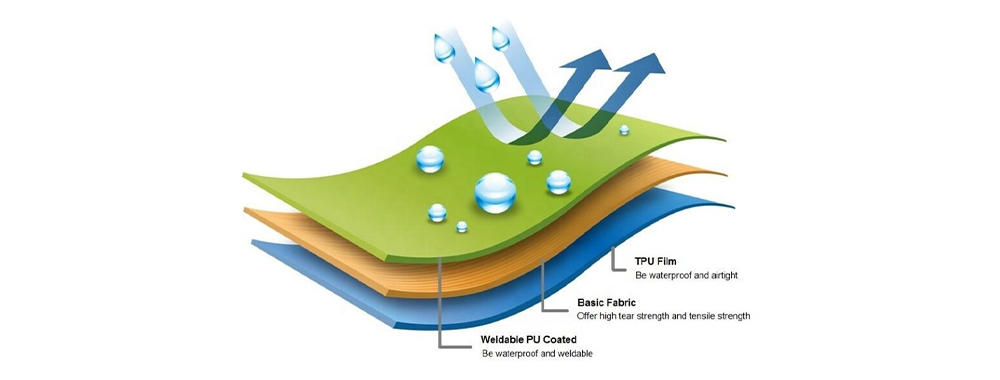
Cross sectional schematic diagram showing fabric+PU+TPU layer
INVISTA has established long-term cooperation with multiple authorized factories worldwide to ensure stable supply of full specifications from 330D to 1050D Ballistic, avoiding brand interruptions in production due to fabric supply shortages.
Tactical/ Outdoor Bag Selection Guide
The versatility of Cordura® makes it suitable for nearly all bag categories. As an OEM manufacturer of Cordura® bags serving numerous brands, we recommend the following:
|
Bag Type |
Recommended Cordura® Specification |
Key Performance Requirements |
Design Points |
|
Tactical/Military Backpack |
1000D Classic / 1050D Ballistic |
Extreme abrasion resistance, tear resistance, MOLLE system compatibility |
Reinforce stress points, waterproof coating, IRR optional |
|
Outdoor Hiking Backpack |
500D–1000D Classic |
Balance between lightweight and durability, weather resistance |
Zoning materials (bottom 1000D, side pockets 500D) |
|
Travel Luggage / Suitcase |
1000D Classic / Ballistic |
Impact resistance, abrasion resistance, structural stability |
Hard bottom plates, reinforced wheel area |
|
Motorcycle Riding Bag |
1000D Classic |
Abrasion resistance, waterproof, UV resistance |
Waterproof zippers, reflective strips, quick-release system |
|
EDC / Tool Bag |
500D–1000D Classic |
Modular, quick access, durable |
Internal compartments, Velcro panels |
Q1: Which is better, Cordura® or Ballistic Nylon?
A: There is no absolute “better” option; it depends on your product positioning and cost structure. Essentially, the two are “cousins.”
|
Comparison Dimension |
Cordura® |
Ballistic Nylon |
|
Origin |
Brand under INVISTA, Nylon 6,6 filament |
Invented by DuPont, originally developed for bulletproof vests |
|
Weave |
Air textured yarn (ATY), rough and textured surface |
2×2 basket weave, smooth surface |
|
Core Advantages |
Extremely abrasion-resistant, high brand premium, hangtag support |
Top tear/puncture resistance, smooth hand feel |
|
Typical Specifications |
330D / 500D / 1000D |
840D / 1050D / 1680D |
|
Weight (same strength) |
Lighter |
Heavier |
|
Brand Premium |
High (strong consumer recognition) |
Medium (mostly for professional/business use) |
|
Cost |
Higher |
Medium-high |
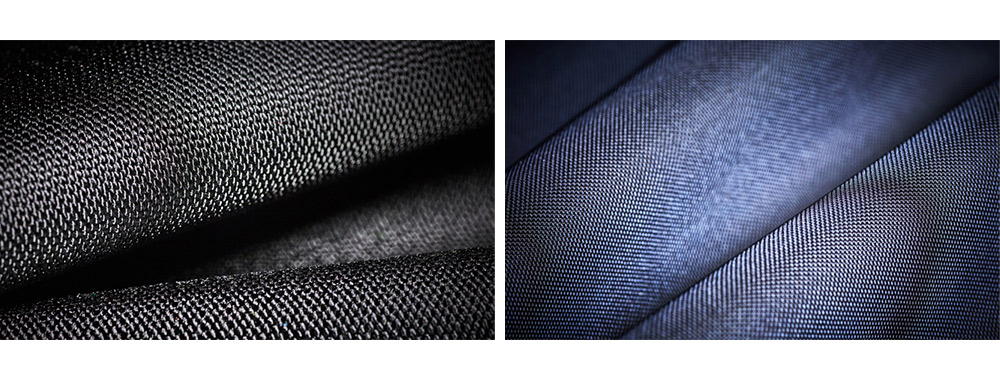
1000D Cordura ® Comparison with 1050D ballistic nylon texture
Texture Comparison: 1000D Cordura® vs 1050D Ballistic Nylon
Selection Recommendations:
Manufacturing Tip: Cordura® also has ballistic weave products (Cordura® Ballistic 1050D), combining the fiber strength of Cordura® with the ballistic weave structure. This is the preferred choice for high-end tactical gear but comes at the highest cost.
Q2: How much does Cordura® cost per meter, and how does it compare with Ballistic Nylon?
A: Prices vary significantly depending on specification, functionality, and purchase quantity. Below is a 2026 market reference range and comparison:
|
Fabric Type |
Specification |
Basic Version (USD/m) |
Functional Custom Version (USD/m) |
Typical MOQ |
|
Cordura® Classic |
330D |
$3.5–$4.9 |
$4.9–$6.9 (PU coating/DWR) |
1000m/color |
|
Cordura® Classic |
500D |
$4.9–$6.9 |
$6.9–$11.1 (flame retardant/IRR) |
1000m/color |
|
Cordura® Classic |
1000D |
$6.9–$9.7 |
$9.7–$16.7 (multi-layer coating/prints) |
1000–1500m/color |
|
Cordura® Ballistic |
1050D |
$11.1–$16.7 |
$16.7–$25.0 (composite backing) |
1500m/color |
|
Ballistic Nylon |
840D |
$5.6–$8.3 |
$8.3–$12.5 (coating/printing) |
1000m/color |
|
Ballistic Nylon |
1050D |
$8.3–$12.5 |
$12.5–$19.4 (composite functions) |
1000–1500m/color |
Summary: For the same specification (1050D), Cordura® Ballistic is 15–25% more expensive than Ballistic Nylon; for the same function (coating + flame retardant), the price difference shrinks to within 10%.
Q3: How to verify the authenticity of Cordura® fabric?
A: Many “imitated Cordura” or unauthorized hangtag uses exist. Brands should verify suppliers in the following three ways:
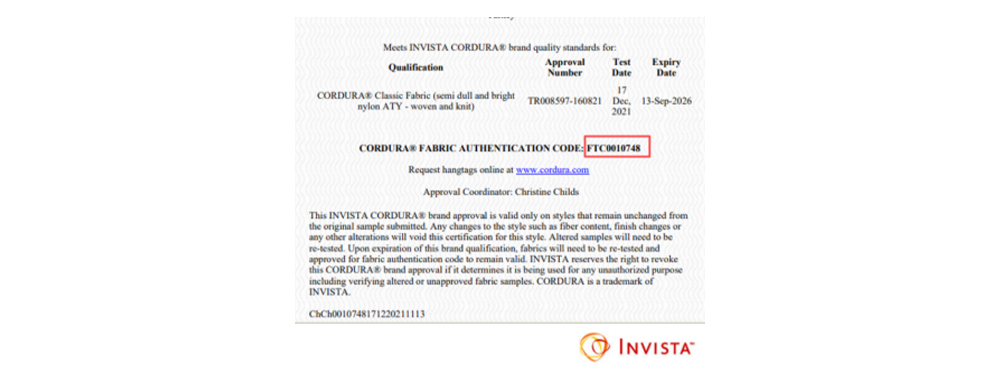
Fabric certification number on the official approval certificate issued by INVISTA
Note: Hangtags can be faked; certificate verification is essential.
|
Test |
Cordura® Standard |
Ordinary Nylon / Imitation |
|
Martindale Abrasion |
>300,000 cycles |
Usually <100,000 cycles before failure |
|
Tear Strength (ASTM D5034) |
Significantly higher than regular Nylon 6 |
Close to or below standard |
|
Melting Point |
~265°C (Nylon 6,6 property) |
~220°C (Nylon 6) or lower |
Recommendation: For first-time cooperation, send samples to a third-party lab (e.g., SGS, Intertek) for composition and performance testing to avoid bulk risks.
Common traps:
Q4: How can we purchase Cordura® fabric for clients? What are the MOQ and lead time?
A: As a backpack manufacturer with INVISTA supply chain resources, our procurement process is as follows:
Value-added services: SYNBERRY, as an OEM manufacturer experienced in Cordura® mass production, maintains long-term cooperation with INVISTA-authorized factories, helping brands overcome small-batch customization thresholds and fully monitor fabric certification and performance testing, reducing the risk of counterfeit products.
Learn more about customization services and factory certificates in our “Customized Service”:
In summary, whether you are developing tactical brands, or high-end travel bags, Cordura® fabric is a material your customers can trust. Contact us now to create your next-generation backpack series with Cordura® fabric; we offer professional custom backpack services.
| Author | ||||||
|
Continue lendo, mantenha-se informado, inscreva-se e convidamos você a nos dizer o que você pensa.




Direitos autorais
@2024 Synberry Bag & Package Products Co.,Ltd Todos os direitos reservados
.
 SUPORTADO POR REDE