
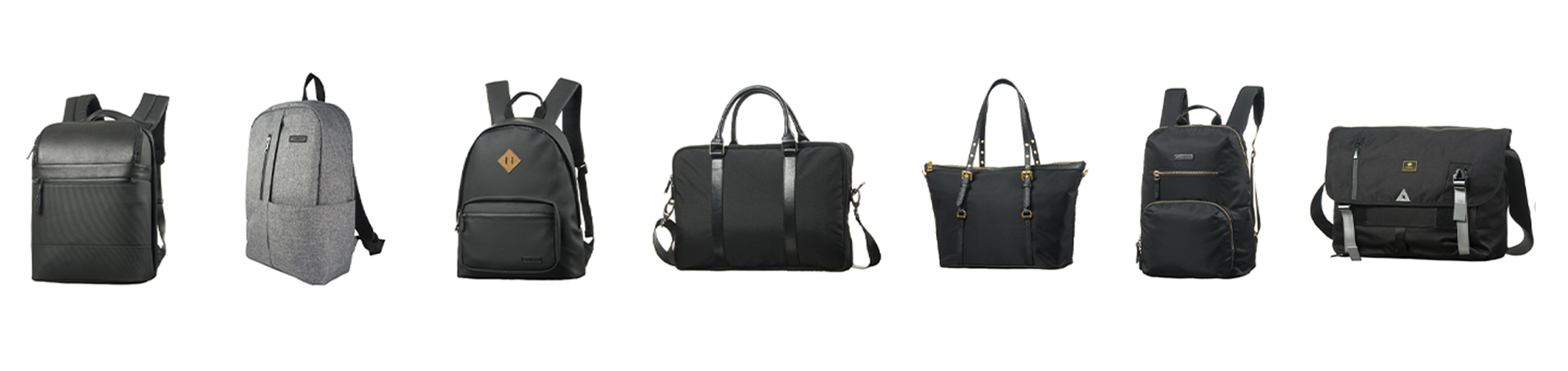
Escolher o fabricante errado pode ser um dos erros mais custosos que uma marca pode cometer. Um único atraso na entrega, um lote de produtos com qualidade inconsistente ou uma fábrica que não cumpre o prometido podem comprometer o lançamento de um produto e prejudicar a confiança do cliente.
Na SYNBERRY BAG, produzimos mais de 1 milhão de nécessaires por ano para marcas de beleza, redes de farmácias e empresas de cosméticos DTC (direto ao consumidor) na Europa e na América do Norte. Com base em nossa experiência prática em fabricação, este artigo mostrará como encontrar um parceiro de produção que realmente entenda a fabricação de nécessaires.
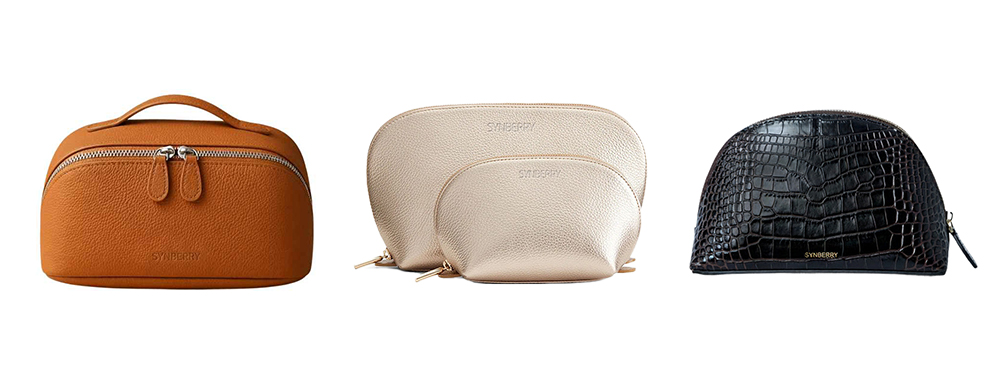
Apresentação da Série de Bolsas de Cosméticos SYNBERRY
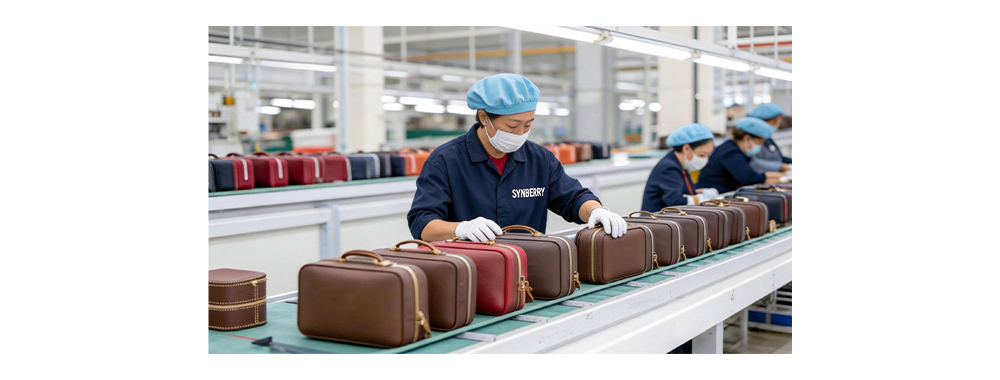
Nem todos os fornecedores que afirmam "podemos fabricar nécessaires personalizadas" estão preparados para uma verdadeira colaboração B2B. Um fabricante de nécessaires de primeira linha possui suas próprias instalações de produção, mantém um departamento interno de modelagem e oferece serviços completos — desde a aquisição de materiais e a criação de protótipos até a aplicação de logotipos e embalagens prontas para exportação.
Recomendamos que todos os compradores verifiquem as cinco capacidades essenciais a seguir antes de fazer um pedido, a fim de distinguir um fabricante genuíno de um intermediário.
Modelo de Produção | Definição | Ideal para | Capacidade |
OEM | Você fornece o projeto e a fábrica produz de acordo com suas especificações. | Marcas que já possuem designs consolidados e pacotes técnicos completos. | Serviço OEM completo, abrangendo todo o processo, desde a criação de amostras até o acompanhamento da produção em massa. |
ODM | A fábrica fornece modelos pré-existentes que você pode personalizar. | Marcas que buscam lançar produtos rapidamente usando estruturas de embalagens comprovadas. | Ofereça modelos ou designs existentes para personalização. |
Marca Própria | A fábrica produz produtos de estoque neutro, e você adiciona a sua marca. | Lojistas que desejam testar a demanda do mercado antes de investir no desenvolvimento de moldes. | Programa de marca própria com quantidade mínima de pedido reduzida, com suporte para impressão em serigrafia e personalização de etiquetas tecidas. |
Fábricas que oferecem apenas um único modelo de produção podem limitar o potencial de crescimento da sua marca. O ideal é encontrar um fornecedor que possa dar suporte aos três modelos simultaneamente, permitindo que as marcas comecem com pedidos de teste de marca própria e, gradualmente, expandam para coleções de bolsas de designer OEM totalmente personalizadas — sem a necessidade de trocar de fornecedor.
Um excelente fabricante faz mais do que apenas cortar e costurar — ele também deve ser capaz de aconselhá-lo sobre o desempenho dos materiais, otimização de custos e soluções sustentáveis. Você pode fazer as seguintes perguntas aos potenciais fabricantes:
As bolsas de cosméticos são geralmente feitas de materiais como poliéster, náilon, lona, couro PU, couro legítimo, EVA, PVC e tecidos laminados. A escolha depende de fatores como durabilidade, resistência à água, estética e custo.
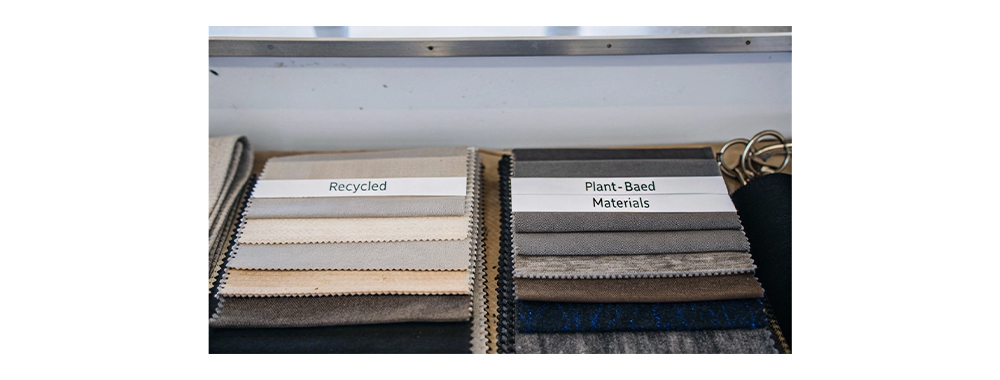
Tecidos reciclados genuinamente ecológicos podem possuir a certificação GRS, que verifica se os materiais são feitos de conteúdo reciclado e atendem aos critérios de responsabilidade ambiental e social em toda a cadeia de suprimentos. É importante confirmar se o fornecedor apresenta uma certificação válida para garantir a autenticidade.
Fábricas com relações diretas com indústrias têxteis podem reduzir significativamente os prazos de entrega, mantendo-se alinhadas às tendências globais em inovação de materiais sustentáveis. Isso ajuda sua marca a atender às expectativas atuais dos consumidores por produtos de beleza ecologicamente conscientes, reduzindo proativamente os riscos de não conformidade.
Abaixo estão os materiais típicos usados na maioria das nécessaires de maquiagem.
Material | Principais características | Cenários adequados para nécessaires de cosméticos | Certificação de Sustentabilidade |
Durável, imprimível, levemente resistente à água; toque ligeiramente rígido. | Linhas de marcas de varejo, conjuntos promocionais, nécessaires de viagem | Certificado pelo GRS, rastreável desde garrafas de plástico pós-consumo. | |
Couro ecológico PU/Microfibra | Aparência luxuosa, fácil de limpar, alta saturação de cor. | Conjuntos de presentes de beleza de alta qualidade, sorteios exclusivos para membros. | PU à base de água, baixo VOC; couro de cacto/maçã opcional |
Nylon / Nylon Reciclado | Ultraleve, alta resistência ao rasgo, dobrável | Nécessaires de viagem, kits de higiene masculina | ECONYL® ou náilon reciclado pós-consumo |
TPU/PVC transparente | Conteúdo visível, à prova d'água, compatível com a segurança aeroportuária. | Kits de viagem, lojas de aeroporto, colaborações de moda rápida | Algumas opções de TPU são biodegradáveis ou recicláveis. |
Sensação tátil única, à base de plantas, altamente "conversável". | Marcas ecológicas de vanguarda, colaborações em edição limitada. | cortiça com certificação FSC |
Grandes varejistas como Walmart, Sephora ou Ulta Beauty não trabalham com fábricas que não possuam certificações de responsabilidade social. Se sua marca fornece para grandes redes varejistas, você deve confirmar antecipadamente se a fábrica atende aos padrões de auditoria exigidos pelos clientes.
Além das auditorias de conformidade social exigidas pelos canais de varejo, você também deve verificar se a fábrica possui as certificações de conformidade de produto necessárias para seus mercados-alvo.
É importante compreender claramente os processos de controle de qualidade (CQ) de uma fábrica. Um fabricante profissional de nécessaires deve implementar um sistema de CQ em várias etapas:
Estágio | Pontos de Inspeção | Propósito |
Controle de Qualidade de Entrada (IQC) | Gramatura do tecido (GSM), solidez da cor e teste de névoa salina para ferragens | Detecte defeitos no material antes do corte. |
Controle de Qualidade em Processo (IPQC) | Densidade de pontos, alinhamento das costuras, resistência à tensão em pontos críticos. | Prevenir erros sistemáticos durante a costura |
Controle de Qualidade Final (CQF) | Amostragem AQL 1.5/4.0, inspeção visual, testes funcionais, verificação de embalagem. | Garantir a consistência em todo o lote de exportação. |
Se uma fábrica hesitar em compartilhar seus padrões AQL ou recusar inspeções de terceiros (por exemplo, SGS, Bureau Veritas), considere isso um sinal de alerta.
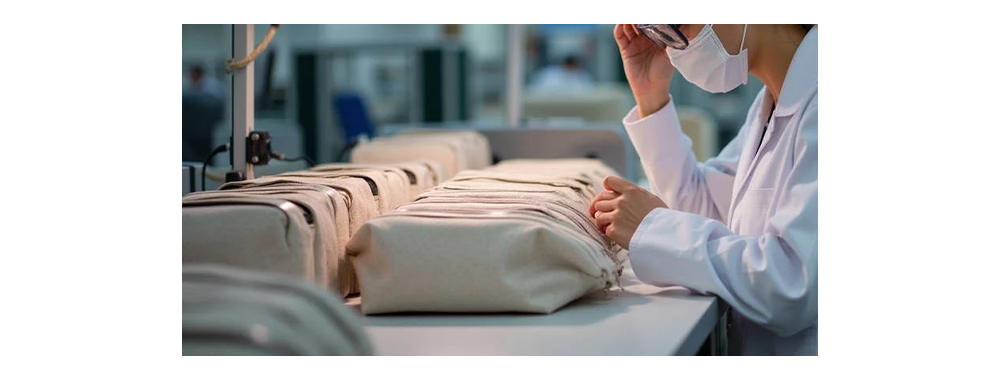
A fabricação de nécessaires B2B envolve dezenas de decisões detalhadas — desde ajustes de modelagem e métodos de aplicação de logotipos até a cor da linha de costura e os materiais do forro. Qualquer atraso ou falha de comunicação em qualquer etapa pode resultar em um produto final que não atenda às expectativas e comprometer o cronograma de lançamento do seu produto.
Um fabricante confiável deve disponibilizar um gerente de contas dedicado que comunique claramente o progresso em cada etapa. Quando surgirem problemas como falta de materiais ou ajustes no processo, eles devem ser sinalizados proativamente com antecedência, em vez de serem ocultados até que os prazos de entrega se aproximem.
Além da comunicação, a proteção da propriedade intelectual (PI) é ainda mais crucial. Você deve confirmar antecipadamente se a fábrica está disposta a assinar um Acordo de Confidencialidade (NDA) e se pode garantir que seus projetos personalizados não serão vendidos ou compartilhados com terceiros. Para desenvolvimentos exclusivos, a fábrica também deve ter procedimentos específicos de fornecimento de materiais e controle de produtos acabados.
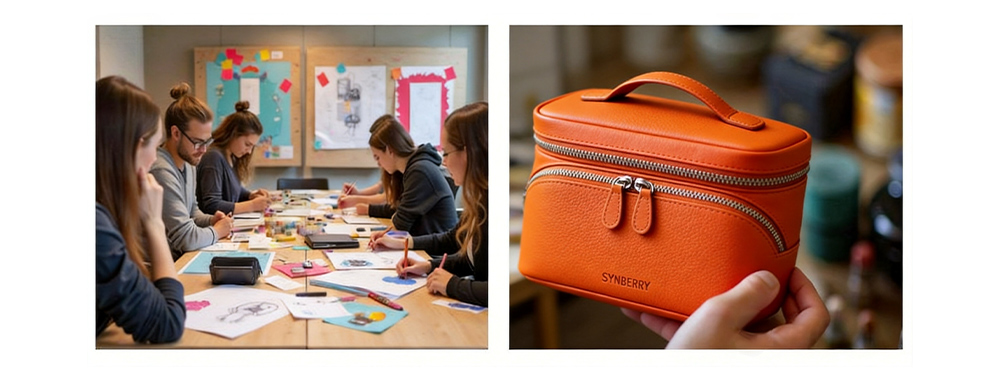
Escolher um local de produção é uma decisão estratégica importante, que afeta custos, qualidade e prazos de entrega. Não existe um local "ideal" absoluto — tudo depende das suas prioridades.
A localização ideal para a sua marca equilibra custo, qualidade, velocidade de entrega e alinhamento com os valores essenciais da sua marca.
O fabricante de nécessaires que você escolher é, na realidade, uma extensão da sua marca. Os padrões de costura, a integridade dos materiais e a disciplina na entrega influenciam diretamente a forma como seus clientes finais percebem você.
Em 2026, as cadeias de suprimentos serão mais complexas do que nunca. Os vencedores serão as marcas que tratarem a produção como uma parceria estratégica, em vez de uma decisão puramente baseada em custos.
| Autor | ||||||
|
Continue lendo, mantenha-se informado, inscreva-se e convidamos você a nos dizer o que você pensa.




Direitos autorais
@2024 Synberry Bag & Package Products Co.,Ltd Todos os direitos reservados
.
 SUPORTADO POR REDE